Every church has a God-given story worth telling.
Before our future congregation hears a sermon or meets the pastor, before we ever know their names, they have already begun to experience our church:
- As they drive past our campus.
- As they navigate our website.
- As they browse our social posts, watch our videos, see a sign, or notice a photograph.
Each moment may feel small on its own. Together, they tell a story about what matters here, whether people belong, and what God may be inviting them into.
That is why communication is ministry. It is one of the ways we begin caring for people before we know who they are.
I've spent over twenty years in creative and technical arts, working in the space between the tech booth, design, and the platform. I keep returning to four convictions about how we are called to shepherd the stories God has called us to tell.
Communication is ministry
The Gospel has always moved through ordinary things: letters, sermons, songs, and shared meals. Each one carried the message because someone cared enough to prepare it well.
That is still true for us. Every email, website, photograph, announcement, video, or conversation helps people understand who we really are, what we really believe, and how they can respond. When we shepherd those moments, we are making room for people to receive the message.
Design is hospitality
Poor design may invite someone to show up. Good design welcomes them when they arrive.
An invitation says, “Come see how we live.” A welcome says, “We made room for you.”
Think of a grandparent preparing for a grandchild. They do not just open the door. They make accommodations. The living room shifts. The food changes. The television habits change. They may not watch Bluey on their own, but they make room for it because their grandchild matters.
That is what good design does. It makes accommodations. It asks, “What will help this person feel expected, understood, and at home?”
Jesus told his disciples that he was going to prepare a place for them. Good design carries that same idea on a much smaller scale. It prepares a place.
Story builds trust
Every church tells two stories.
Touchpoints are the small moments where people encounter our church and begin forming an impression. A campus sign, a YouTube video, a social post, a website, and a follow-up email are all touchpoints. Each one is quietly telling part of the story.
Explore the Future Congregation Journey to see how those moments can shape a path from awareness to ministry.
There is the story we say about ourselves: our mission, our values, and the promise we make to the people who come through the door.
Then there is the story people actually experience: the website they use, the signs they follow, the social post they see, the email that gets answered or does not, the next step that is clear or confusing.
In 2026, people do not simply take us at our word. They pay attention to the touchpoints along the way. Those touchpoints tell them whether the promise is true.
Our systems produce the experience they are designed to produce. The same is true of communication. The real story we tell is more important than the words we use to describe it.
Well-designed communication helps the promise and the experience agree. It tells the story God has given us to tell, clearly and consistently.
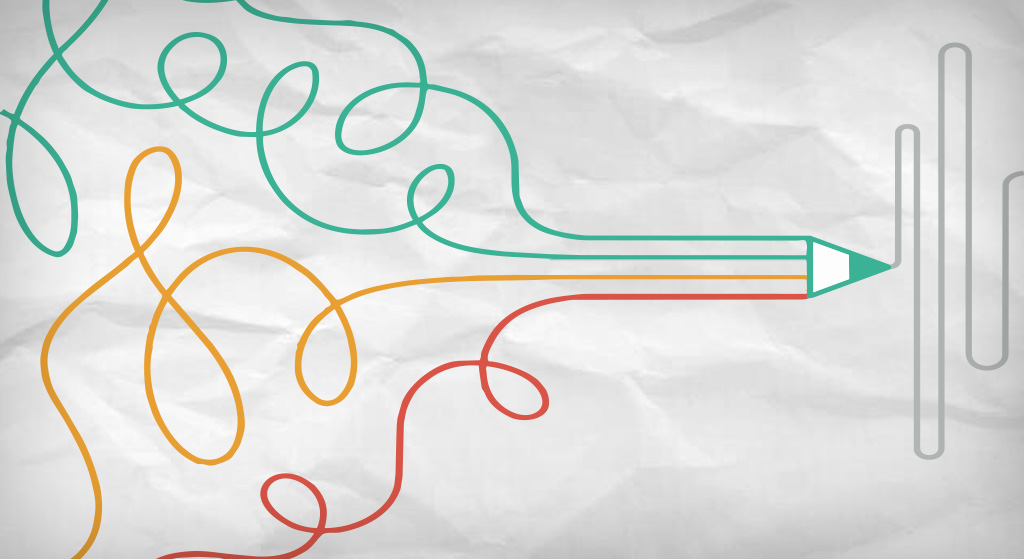
Systems create room for creativity
One of the most spiritual things I have done for a creative team was build a workflow.
Creative people need room to think, make, collaborate, and rest. Clear briefs, shared calendars, healthy deadlines, and a clear approval path make that room. They help a team spend less energy chasing information and more energy solving the problem in front of them.
Chaotic systems cannot scale. When a system is poorly designed, a team can work four times as hard just to accomplish twice as much. Healthy systems let a team grow without asking people to become heroes every week.
That is especially true in church communications. It can feel like you have twenty supervisors, each with a legitimate request and a different definition of urgent. A clear system gives those requests a path instead of letting them all land on the same desk at once.
Chaos does not make art. It makes burnout with occasional lucky breaks. Healthy systems give creativity a place to grow.
This site is where I work these ideas out in public. The projects are evidence, not the destination. Behind every brand, website, film, publication, system, and tool is a church or organization trying to make a God-given story clearer.
In the post-COVID church, communications is preaching to our future congregation. For many people, the first campus they visit will be digital. It will be YouTube, Facebook, Instagram, our website, or an email in their inbox.
Long before we know their names, they are learning who we are, whether they belong, and what God may be inviting them into. It is evangelism. We are carrying the invitation long before someone walks through the door.
All of it comes back to the same calling: to shepherd the story God has given us to tell.
The right story, told the right way.